



Why Most Car Modifications Fail: A Lack of Engineering Logic
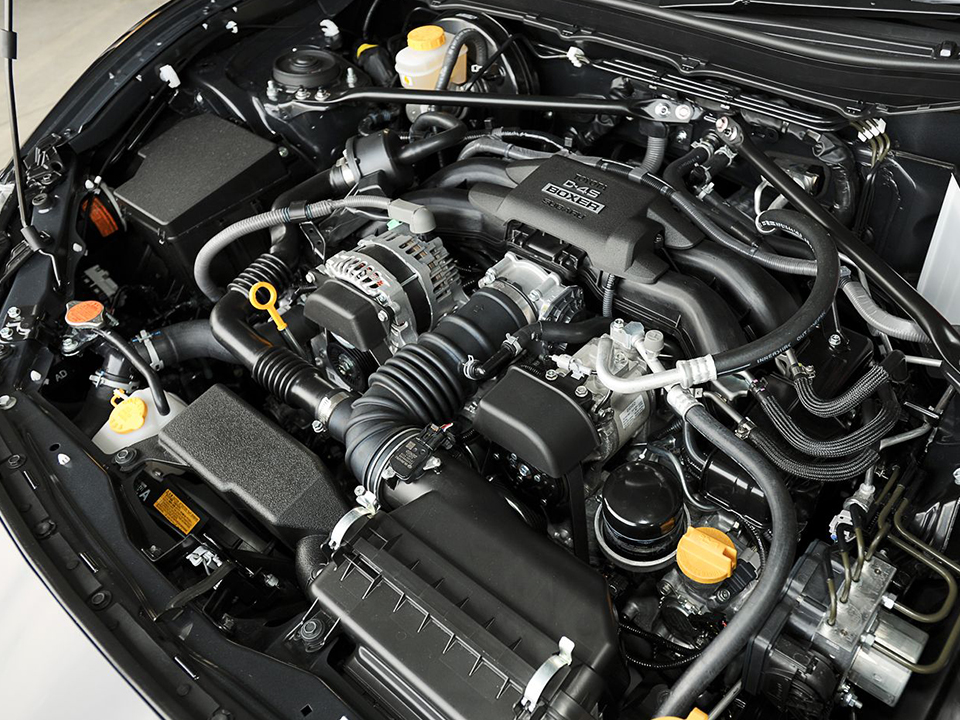
Most car modifications do not fail because of ambition. They fail because they are executed without engineering logic. Enthusiasm alone does not create a successful build-clarity, planning, and mechanical understanding do.
In today’s aftermarket landscape, modification culture often encourages isolated upgrades: more power, stiffer suspension, louder exhaust systems. These changes are frequently pursued as standalone improvements, without understanding how deeply interconnected modern vehicles truly are.
Every car is a complex mechanical ecosystem. Altering one component inevitably affects load paths, thermal behavior, electronic communication, and long-term durability across the entire platform. When modifications are made without accounting for these relationships, the result is not progress-but imbalance.
Performance Is a System, Not a Part
Factory vehicles are engineered as balanced systems. Power output, cooling capacity, suspension geometry, braking performance, drivetrain strength, and electronic control units are all designed to operate together within clearly defined tolerances.
When a single element is upgraded in isolation-such as increasing engine output without improving cooling efficiency or braking capacity-the system is pushed beyond its original design envelope. Stress accumulates in areas that were never intended to carry it, leading to premature wear, inconsistent performance, and reduced reliability.
True performance is achieved when every modification supports the whole. Power gains must be matched with thermal management. Handling improvements must respect suspension geometry and chassis balance. Electronic upgrades must communicate cleanly and predictably. Only when these elements evolve together does a vehicle become genuinely faster, safer, and more refined.
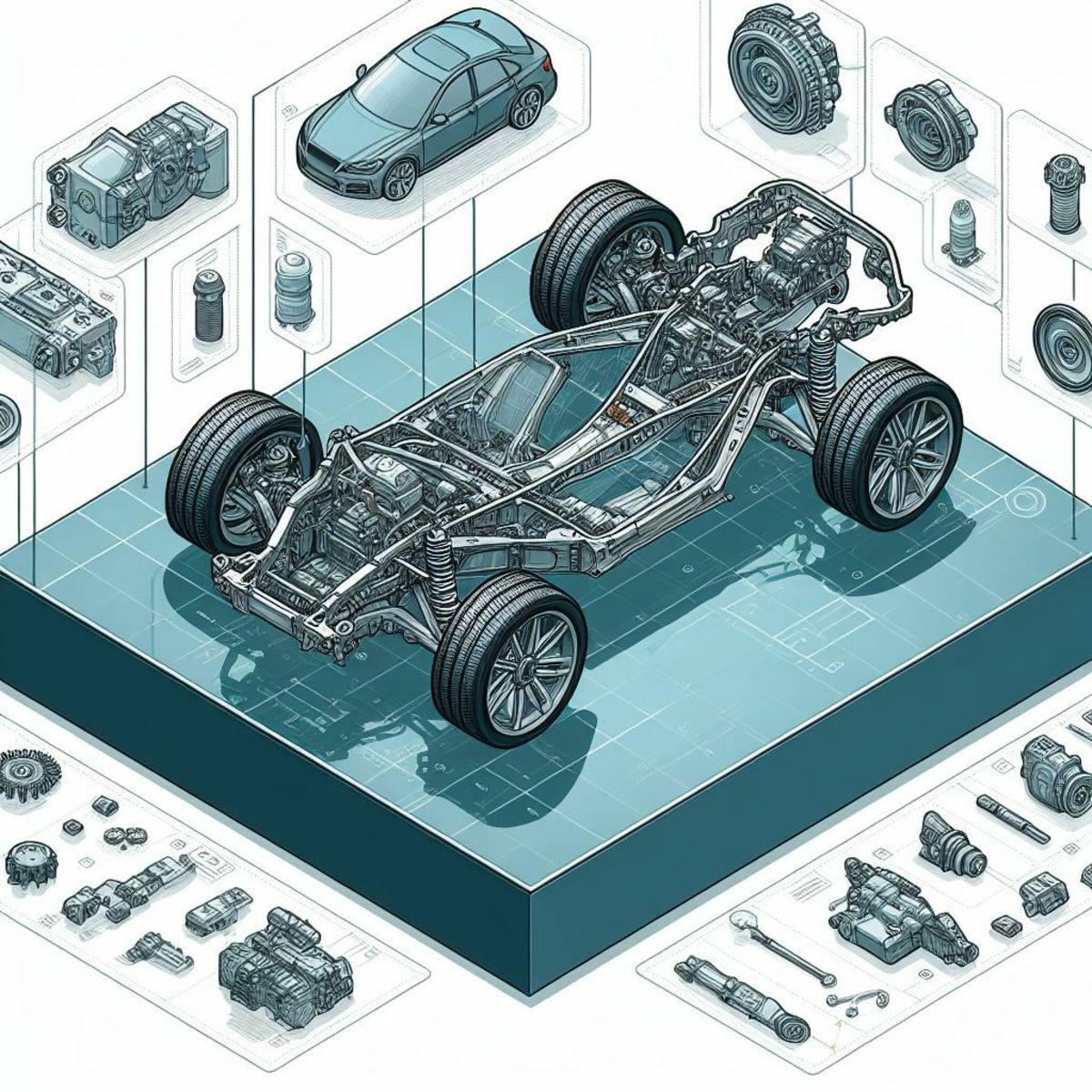
Increasing power without upgrading cooling, braking, or drivetrain capacity introduces stress the vehicle was never designed to sustain. What initially feels like a performance gain often reveals itself as heat saturation, brake fade, drivetrain shock, and accelerated component fatigue.
Reliability suffers first. Performance becomes inconsistent. Over time, even factory safety margins are eroded as supporting systems are forced to operate beyond their intended limits. The vehicle may feel faster in short bursts, but it becomes unstable, unpredictable, and expensive to maintain.
The Internet Upgrade Trap
Many modern builds are influenced by trends rather than data. Online popularity, influencer recommendations, and visual appeal frequently drive component selection instead of platform-specific engineering requirements.
This approach ignores critical factors such as chassis geometry, weight distribution, thermal efficiency, and electronic compatibility. Parts that perform well on one vehicle or in one environment may be completely unsuitable in another.
The result is often a collection of high-quality components that do not function well together. Cars may appear aggressive and capable, yet deliver poor drivability, unpredictable handling, increased noise and vibration, and reduced long-term durability.
Engineering Before Installation
Successful builds begin with analysis, not installation. Before any part is fitted, professional engineers evaluate the vehicle as a complete system, identifying how each modification will influence load paths, thermal behavior, and electronic stability.
This process ensures that upgrades enhance the vehicle without compromising its integrity. Engineering-led planning reduces unnecessary complexity, minimizes failure points, and creates a foundation for reliable, repeatable performance.
- Chassis stress distribution and suspension geometry evaluation
- Thermal management capacity and lubrication efficiency
- Brake system performance relative to vehicle mass and power output
- Electronic communication, signal integrity, and system stability
Engineering Creates Longevity
When modifications are guided by engineering logic rather than impulse or trend, the result is not just improved performance, but sustained capability over the entire lifespan of the vehicle. Engineering-led builds prioritize system balance, ensuring that increases in power, grip, or responsiveness are supported by adequate thermal management, structural integrity, braking capacity, and electronic stability. This holistic approach allows performance gains to remain repeatable across varying driving conditions, climates, and usage cycles, rather than degrading after short periods of stress. The vehicle becomes predictable, controllable, and mechanically coherent-traits that are essential not only for performance driving, but for long-term reliability and safety.
This is the fundamental difference between assembling aftermarket components and engineering a vehicle. True engineering considers how every modification influences wear patterns, service intervals, component fatigue, and future upgrade paths. At MiniMotoGarage, each modification is evaluated as part of a complete mechanical system, with equal emphasis placed on durability, usability, and integrity as on raw output. Longevity is not achieved by restraint alone, but by precision-by ensuring that every enhancement operates within a clearly defined and sustainable envelope. When performance is engineered with intent, the vehicle does more than perform well in the moment; it endures through mileage, heat cycles, and time, long after superficial trends have passed.