


Vehicle Renewal vs Restoration: What Actually Extends Lifespan

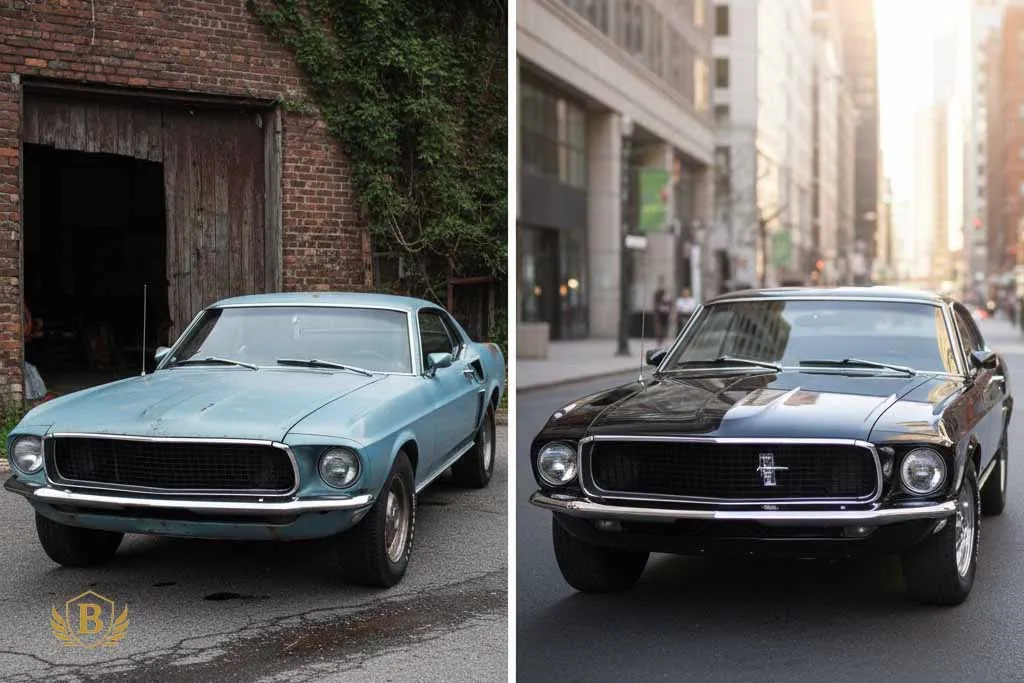
The terms renewal and restoration are often used interchangeably in automotive circles, yet they represent fundamentally different philosophies. Restoration aims to return a vehicle to a previous state—often a factory condition frozen in time. Renewal, by contrast, focuses on extending the usable life of a vehicle by addressing wear, fatigue, and obsolescence through thoughtful engineering updates. While both approaches have value, only one consistently delivers long-term mechanical survival.
As vehicles age, material fatigue, outdated systems, and cumulative wear begin to define their behavior more than original design intent. Treating these issues cosmetically or historically may preserve appearance, but it rarely preserves function. Understanding the distinction between renewal and restoration is critical for anyone who values longevity over nostalgia.
Restoration: Preserving a Moment in Time
Restoration focuses on accuracy and originality. Components are repaired or replaced to match factory specifications, finishes are returned to period-correct appearances, and deviations from original configuration are often avoided entirely. For collector vehicles, museum pieces, or historically significant platforms, this approach preserves cultural and monetary value.
However, restoration does not inherently address the limitations of the original design. Materials that were marginal decades ago remain marginal today. Cooling systems retain their original inefficiencies. Electrical architectures remain vulnerable to age-related failure. While a restored vehicle may look pristine, its mechanical resilience often remains bound to the era in which it was conceived.
Renewal: Engineering for Continued Use
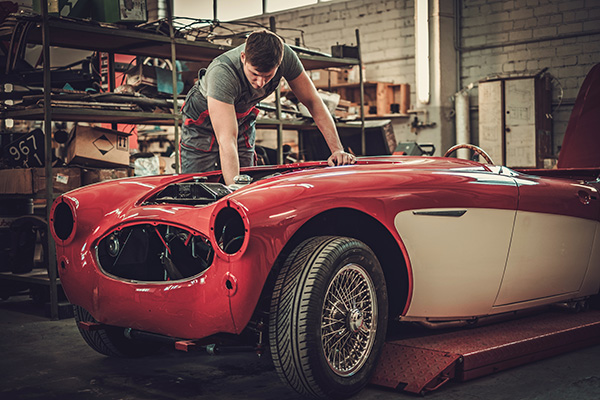
Vehicle renewal treats the car as a living system rather than a static artifact. Components are evaluated based on fatigue life, thermal exposure, material degradation, and serviceability. Instead of replicating outdated solutions, renewal introduces improvements that align with modern standards while respecting the platform’s original engineering logic.
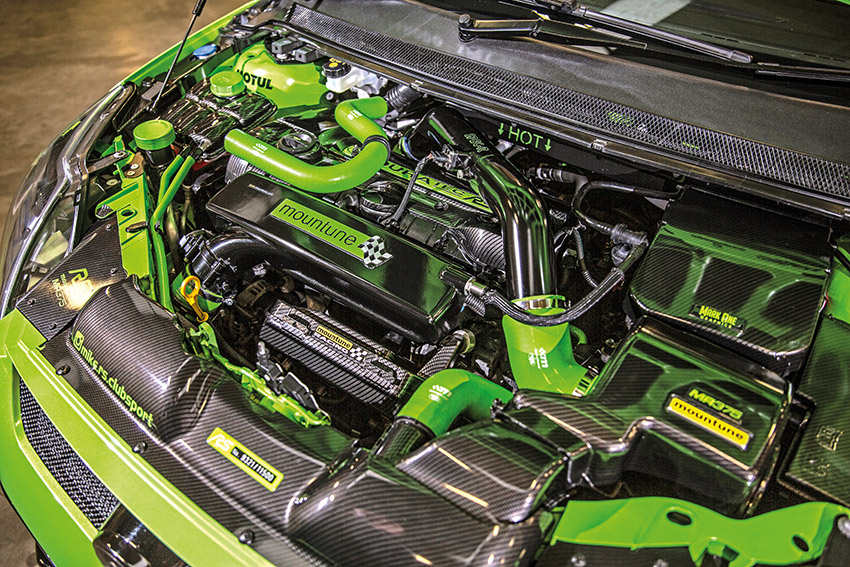
Renewal often includes upgraded bushings, improved cooling, modernized electrical components, corrosion-resistant materials, and revised service intervals. These changes may not be visually dramatic, but they dramatically alter how long—and how reliably—a vehicle can remain in active use.
What Actually Extends Vehicle Lifespan
- Addressing material fatigue rather than cosmetic wear.
- Updating systems prone to heat, vibration, and corrosion failure.
- Improving serviceability and parts availability.
- Reducing stress concentrations through smarter component design.
- Integrating modern materials without disrupting platform balance.
Choosing the Right Path
The correct approach depends on intent. If a vehicle exists primarily as a historical reference or collectible, restoration may be appropriate. If the goal is to drive, rely on, and retain a vehicle long-term, renewal offers far greater returns. Many successful long-life builds blend both philosophies—maintaining visual identity while renewing the systems that actually determine reliability.
At its core, vehicle longevity is not achieved by freezing time, but by intelligently adapting to it. Renewal acknowledges that engineering evolves, materials improve, and expectations change. Vehicles that survive decades of use do so not because they resisted change, but because they were allowed to evolve responsibly.