


Platform Genealogy: Understanding a Vehicle Before You Modify It

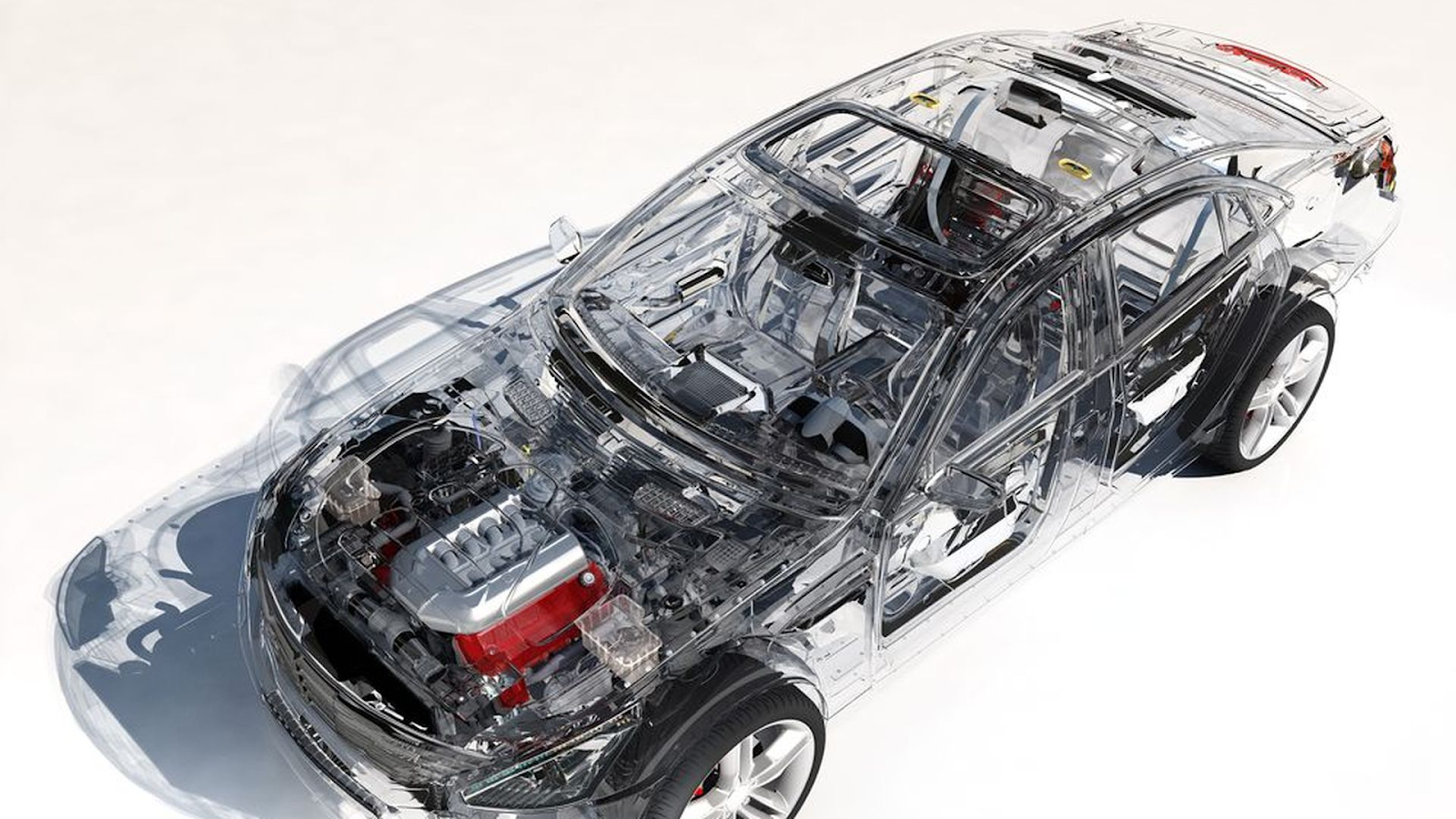
Every vehicle carries a lineage that is far deeper than model years or visual design. Long before a single aftermarket component is considered, a car embodies decades of engineering decisions, compromises, and carefully considered design intent. Platform genealogy is the systematic study of that lineage-tracing where a vehicle comes from, why certain choices were made, and how its underlying architecture has evolved across generations. Understanding a vehicle’s genealogy allows builders to anticipate inherent strengths and weaknesses, recognize structural and electronic limitations, and identify opportunities for meaningful, safe modification that aligns with the vehicle’s core engineering philosophy.
Attempting to modify a vehicle without appreciating its genealogy is analogous to performing surgery without a knowledge of anatomy. Surface-level changes-whether boosting power, stiffening suspension, or upgrading brakes-may appear effective in isolation but often conflict with deeper structural and mechanical logic. Components interact in ways that are not always obvious without a holistic view of the platform, from load distribution and chassis flex to thermal dynamics and electronic communication. True engineering-led modification begins with respect for the original blueprint, analyzing how each system was designed to perform and how it evolved over time, ensuring that changes complement rather than disrupt the integrated whole.
What Platform Genealogy Really Means
Platform genealogy encompasses far more than model names or production dates. It is the practice of tracing the shared architectures, component carryovers, and design philosophies that define a vehicle family over multiple generations. From chassis design and suspension geometry to drivetrain layout and electronic architecture, no system exists in isolation; each has been refined, iterated, and validated across multiple iterations of the platform. Recognizing these patterns allows builders to understand which elements were overengineered for future headroom, where compromises were introduced, and which subsystems may require reinforcement or recalibration to support upgraded performance.
By studying the evolution of a platform, builders gain critical insights that form the foundation for intelligent, sustainable modifications. It reveals not only the limitations of the vehicle but also its hidden potential-where performance can be safely enhanced, durability preserved, and reliability maintained. Genealogy-informed builds are therefore not experimental; they are calculated evolutions, designed to align with the vehicle’s original engineering logic while responsibly extending its capabilities for the modern builder or enthusiast.
Design Intent Defines Modification Limits
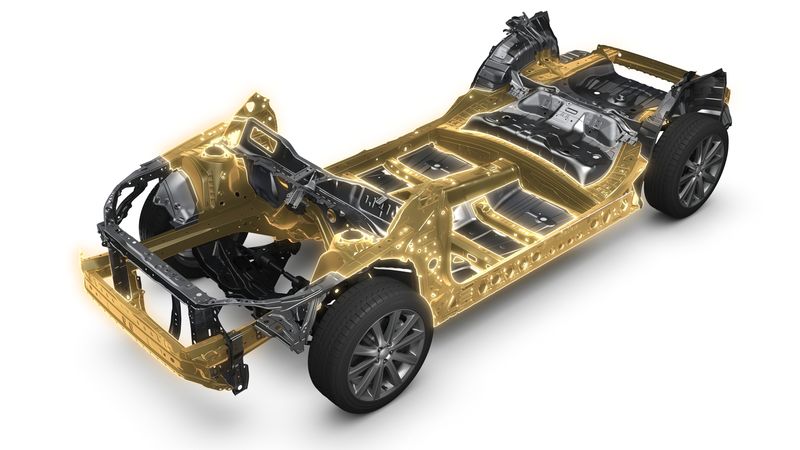
Every vehicle platform is the product of countless engineering decisions, meticulously balanced around a defined purpose-whether that be luxury, performance, durability, efficiency, or a nuanced combination of priorities. These design decisions dictate every aspect of the platform: suspension mounting points, chassis geometry, material selection, cooling capacity, electronic architecture, and even tolerances for vibration and thermal expansion. Ignoring these foundational constraints when modifying a vehicle is equivalent to attempting to expand a building’s upper floors without accounting for the strength of its foundation; the resulting modifications may appear viable on the surface, but they often create systemic stress, reduce reliability, and ultimately compromise both performance and safety.
When builders thoroughly understand the underlying design intent, they gain the ability to differentiate between areas where upgrades can be pursued safely and areas where intervention would be counterproductive. Certain platforms may accommodate significant power increases yet remain vulnerable to chassis flex or suspension overload, while others excel in cornering precision but reach thermal or drivetrain limits much more quickly. Platform genealogy reveals these structural truths long before failures occur, guiding engineers and builders toward modifications that complement the existing system rather than working against it. By respecting design intent, upgrades are not only safer and more reliable, they also integrate seamlessly, preserving the inherent balance and character of the vehicle.
Why Genealogy Comes Before Parts
Successful modification is not a question of what aftermarket parts fit, but rather which parts belong to the platform’s mechanical and structural logic. Platform genealogy provides the roadmap, illuminating component compatibility across model lines, revealing factory upgrade paths, and highlighting engineering solutions that have been validated by original manufacturers. This knowledge ensures that each modification builds upon the platform’s inherent strengths rather than introducing stress or conflict between systems.
By starting with genealogy, builders avoid unnecessary experimentation and mitigate risks associated with incompatible upgrades. Each part is selected and integrated based on both its functional purpose and its relationship to the vehicle as a whole. This results in modifications that evolve naturally from the platform’s architecture, delivering performance improvements that are coherent, durable, and reliable. Genealogy-guided builds ensure that modifications are not merely cosmetic or reactive, but are instead part of a calculated evolution, preserving the vehicle’s intended balance while expanding its capabilities in a controlled and sustainable way.
Engineering Evolution, Not Reinvention
Platform genealogy does not restrict creativity; it gives it direction. When a builder understands how a platform evolved-why certain materials were chosen, where structural margins exist, and which systems were refined across generations-modification becomes an act of informed progression rather than guesswork. Instead of attempting to reinvent the vehicle through incompatible or excessive changes, engineering-led builds strengthen known limitations while amplifying proven capabilities. The result is a machine that feels intentional and cohesive, where performance gains align with the platform’s mechanical logic rather than conflicting with it.
At MiniMotoGarage, every build begins with genealogy because evolution is always more sustainable than reinvention. Understanding lineage allows modifications to integrate cleanly with factory tolerances, electronic architectures, and long-term serviceability considerations. This approach minimizes unintended stress, reduces failure points, and preserves the character that defined the vehicle in the first place. When modification respects lineage, performance becomes repeatable, reliability remains intact, and the vehicle evolves as its engineers intended-only sharper, stronger, and more capable.