


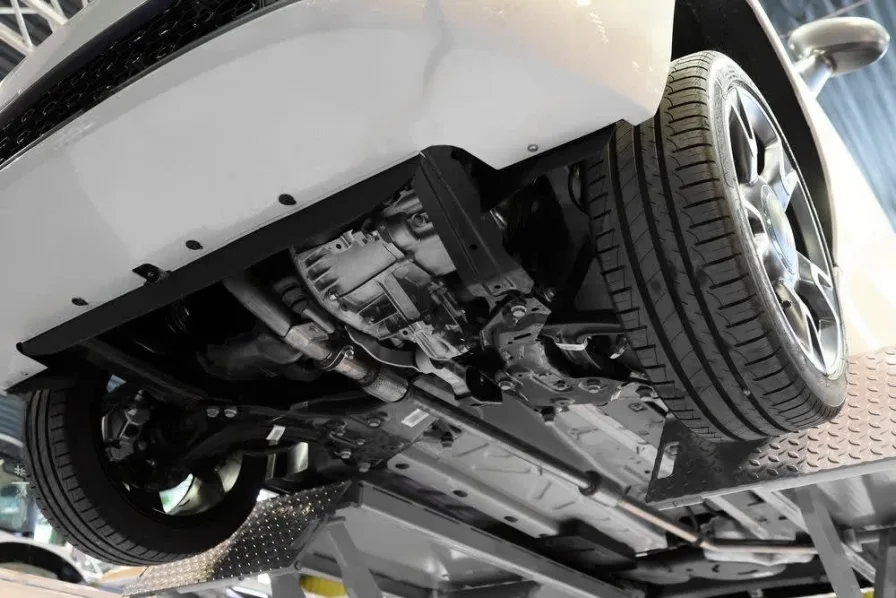
Why Chassis Balance Matters More Than Horsepower
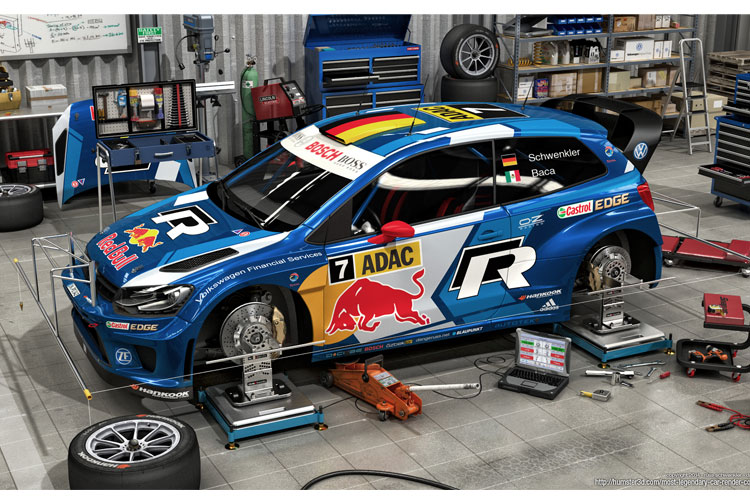
Horsepower has long been the most celebrated metric in automotive performance culture. Bigger numbers promise faster acceleration, higher top speeds, and bragging rights that dominate spec sheets and social media. Yet in real-world driving—and especially in performance-focused builds—horsepower alone rarely defines how fast, capable, or enjoyable a car truly is. Chassis balance, the relationship between weight distribution, suspension geometry, and structural rigidity, plays a far more decisive role in how a vehicle behaves under load.
A car with excessive power but poor balance becomes unpredictable, difficult to control, and fatiguing to drive. Traction is inconsistent, steering feedback is vague, and driver confidence erodes quickly. In contrast, a well-balanced chassis allows even modestly powered vehicles to outperform far more powerful machines on real roads and technical circuits. Balance creates usable performance—the kind that translates into precision, confidence, and repeatability.
Understanding Chassis Balance
Chassis balance refers to how evenly a vehicle manages weight transfer during acceleration, braking, and cornering. It is influenced by weight distribution, center of gravity, suspension design, chassis stiffness, and tire contact patches. When these elements are properly aligned, the car responds predictably to driver inputs, maintaining grip and composure even at the limits of adhesion.
Unlike horsepower, which only affects straight-line potential, chassis balance governs every dynamic state of the vehicle. It determines how quickly the car settles after direction changes, how stable it feels under braking, and how confidently power can be applied when exiting a corner. Without balance, additional horsepower simply overwhelms the available grip and amplifies instability.

Why More Power Often Makes Cars Slower
Adding horsepower without addressing chassis balance often results in diminishing returns. Excessive power increases wheel spin, destabilizes corner exits, and forces electronic aids to intervene more aggressively. The driver spends more time correcting the car rather than exploiting its potential. Lap times suffer, tire wear accelerates, and mechanical stress increases across the drivetrain.
Balanced cars, by contrast, allow drivers to carry more speed through corners, brake later with confidence, and apply throttle earlier without drama. The net result is faster real-world performance, even if peak horsepower figures are lower. Balance enables consistency, and consistency is what produces speed over distance.
Key Elements That Define Chassis Balance
- Weight distribution and center of gravity placement.
- Suspension geometry and damping calibration.
- Chassis rigidity and structural integrity.
- Tire selection and contact patch optimization.
- Brake bias and load transfer management.

Building for Balance First
The most successful performance builds prioritize chassis balance before chasing power. Suspension upgrades, proper alignment, chassis reinforcement, and braking improvements create a foundation that can safely and effectively support additional horsepower later. This approach mirrors OEM performance development, where balance is engineered first and power is added only when the platform can manage it.
Builders who understand this philosophy often discover that their cars feel faster, more engaging, and more refined—even without dramatic power increases. A balanced chassis communicates clearly with the driver, rewards skill, and remains enjoyable across a wide range of conditions. In the long run, balance delivers the kind of performance that lasts, not just the kind that looks impressive on a dyno chart.