


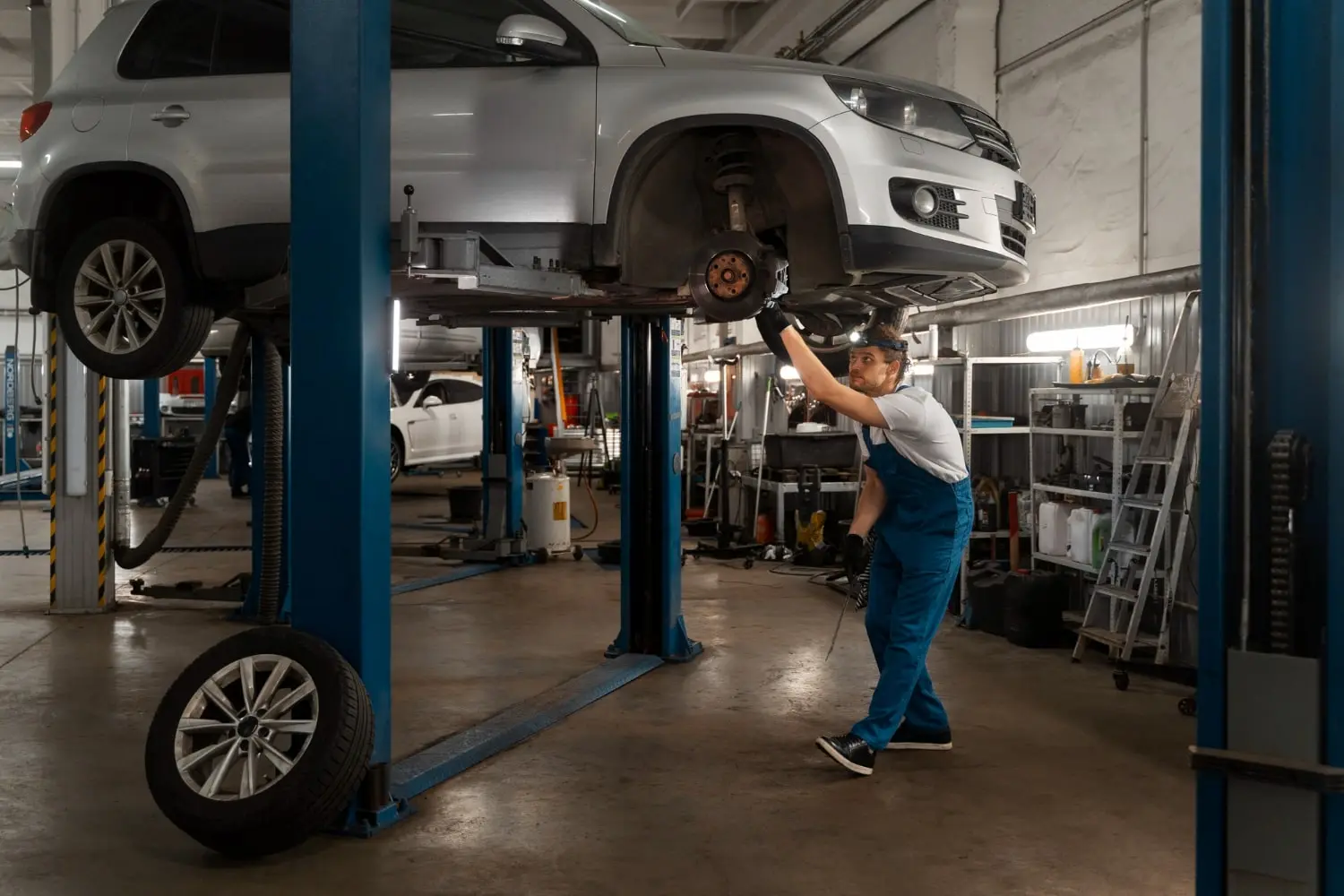
The Difference Between Cosmetic Mods and Engineering Evolution
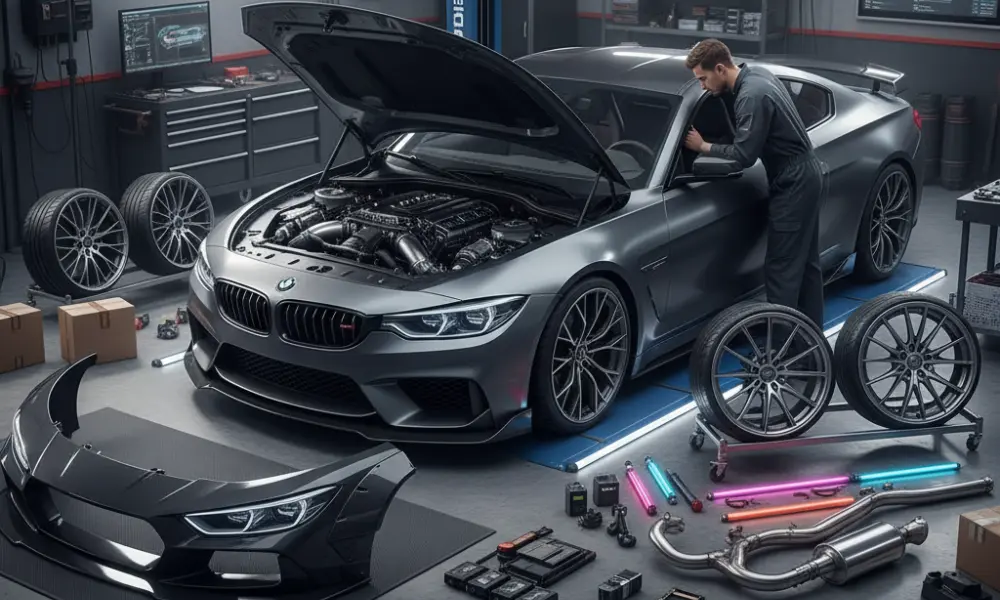
The world of car modification is often divided between flashy, cosmetic enhancements and true engineering evolution. Cosmetic modifications—paint jobs, vinyl wraps, oversized spoilers, or decorative wheels—aim to impress visually. They may make a car stand out on the street or at a show, but they rarely improve the performance, safety, or longevity of the vehicle. Engineering evolution, in contrast, is a philosophy that focuses on improving the car holistically, using modifications that are integrated, purposeful, and grounded in mechanical logic.
Cosmetic changes are easy to implement, require minimal technical knowledge, and often provide immediate gratification. However, they are typically surface-level solutions that ignore the complex systems underlying modern vehicles. A car is more than its exterior: suspension geometry, drivetrain balance, engine efficiency, braking performance, and electronic systems all interact in ways that cosmetic mods rarely address.
Cosmetic Mods: Why They Often Fail Long-Term
While cosmetic modifications can dramatically alter the car’s appearance, they frequently introduce unintended consequences. Oversized wheels may cause tire wear, altered handling, and stress on suspension components. Aggressive body kits can affect aerodynamics, cooling, and structural integrity. Even paint and wraps, if improperly applied, can lead to corrosion or reduced resale value. Cosmetic changes do not evolve the car mechanically—they merely change its outward face.

Engineering Evolution: Holistic Upgrades
Engineering evolution, on the other hand, considers the car as an integrated system. Each modification is evaluated for how it interacts with chassis geometry, suspension kinematics, drivetrain capacity, thermal limits, and electronic networks. Power upgrades are matched with cooling and braking improvements. Suspension changes respect chassis balance. Every upgrade works in harmony with the vehicle’s design intent, enhancing performance, reliability, and safety while maintaining the core character of the car.
Unlike cosmetic changes, engineering-led modifications prioritize durability and functional improvement. They are not driven by trends but by data, analysis, and understanding of platform limits. A vehicle evolved in this way will feel coherent, predictable, and capable, performing optimally across varying conditions while remaining serviceable and safe over time.
Examples of Engineering Evolution
- Suspension recalibration and damping adjustments for improved handling.
- Brake system upgrades paired with weight and drivetrain considerations.
- Powertrain optimization that maintains cooling and drivetrain integrity.
- Electrical and software tuning integrated with existing electronic networks.
- Chassis reinforcement using OEM-approved or compatible components to increase rigidity safely.

Finding the Balance
The key takeaway is that cosmetic modifications are not inherently bad—they provide style and personalization. However, without the foundation of engineering evolution, even the most striking cosmetic upgrade can compromise reliability, safety, or performance. The best builds blend both approaches: they respect the original platform, improve function and performance where needed, and then complement those upgrades with tasteful aesthetic enhancements. The result is a car that looks exceptional and performs at a level that matches its visual promise.
Builders who focus solely on appearance often miss the opportunity to create vehicles that are mechanically coherent and satisfying to drive. By prioritizing engineering evolution first and adding cosmetic improvements second, a vehicle becomes a true work of automotive artistry—beautiful, capable, and enduring.